
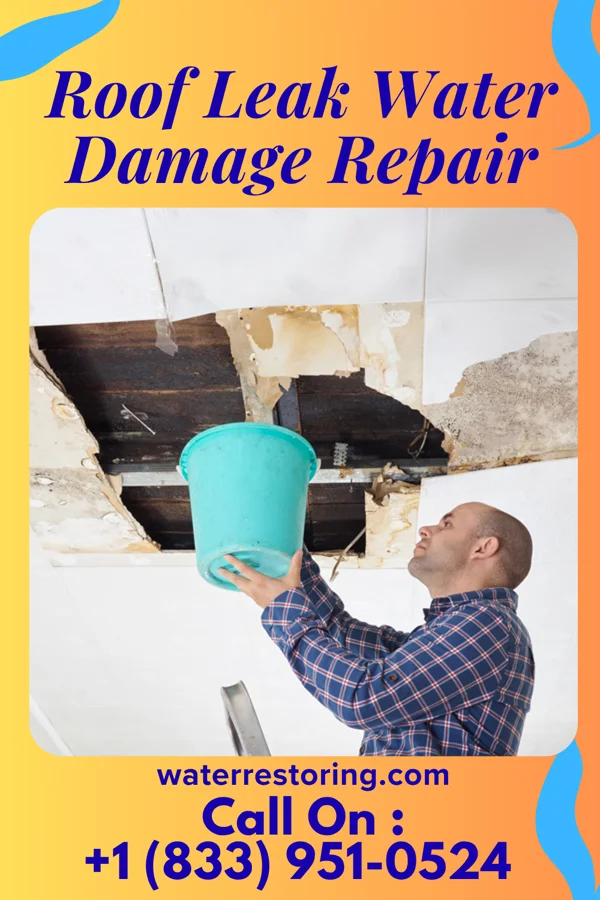
Why Roof Leak Damage Spreads in Twin Lakes
Most water damage emergencies in Twin Lakes start with Twin Lakes experiences frequent spring and summer thunderstorms, which can lead to sudden heavy rainfall and strong winds. These conditions often result in roof leaks, especially in older homes with asphalt shingle roofs. The proximity to Powers Lake and Lily Lake also increases the risk of water infiltration during heavy precipitation events.. A close second is In the fall, Twin Lakes can see significant temperature fluctuations and early snowfall, which can cause ice dams on roofs. These ice dams trap water behind them, leading to leaks and water damage in attics and living spaces. Winter storms can also bring freezing rain, which contributes to roof damage over time.. From the second water touches the property, every minute changes what gets saved and what gets ripped out.
The climate in Twin Lakes, characterized by cold winters and warm summers, puts stress on roofing systems. Ice dams in winter and heavy rainfall in summer are the primary culprits of water damage. Homes near Powers Lake and Lily Lake are particularly vulnerable to water intrusion due to their proximity to natural water sources.
Most roof leak water damage repair calls in Twin Lakes come from Twin Lakes experiences frequent spring and summer thunderstorms, which can lead to sudden heavy rainfall and strong winds. These conditions often result in roof leaks, especially in older homes with asphalt shingle roofs. The proximity to Powers Lake and Lily Lake also increases the risk of water infiltration during heavy precipitation events.. Running a close second is In the fall, Twin Lakes can see significant temperature fluctuations and early snowfall, which can cause ice dams on roofs. These ice dams trap water behind them, leading to leaks and water damage in attics and living spaces. Winter storms can also bring freezing rain, which contributes to roof damage over time.. Local mold risk: Mold can begin to grow within 48 hours of water exposure in Twin Lakes, especially in homes with poor ventilation or insulation. This risk is heightened during the humid summer months, when moisture levels are consistently high and temperatures are warm enough to support mold growth.
For public guidance on the health effects of mold after prolonged water exposure, see the EPA mold and health page.